
Russ Brissenden’s Last Season
Martin EdenThis thread traces Brissenden’s brief friendship with Martin, his literary conviction, and the death that leaves Martin without his sharpest companion.
increasing Bearing strength in each event
 decreasing
Bearing strength in each eventdecreasingThe First Conversation
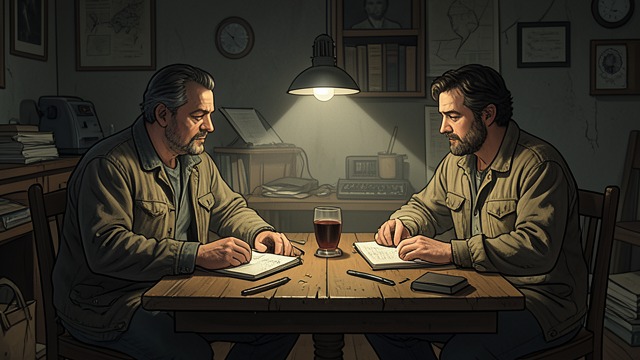
An Unexpected Intellectual Equal
Initial dislike fades
Martin first considers Brissenden unimpressive, then discovers that his conversation possesses rare insight and force. Brissenden recognizes Martin’s ambition and mocks both his poverty and his dependence on magazine approval.
A difficult friendship
Their sharp disagreements do not prevent mutual respect. Brissenden becomes the first person who responds to Martin’s literary seriousness as a fellow writer rather than as a project to reform.
Illness and Defiance
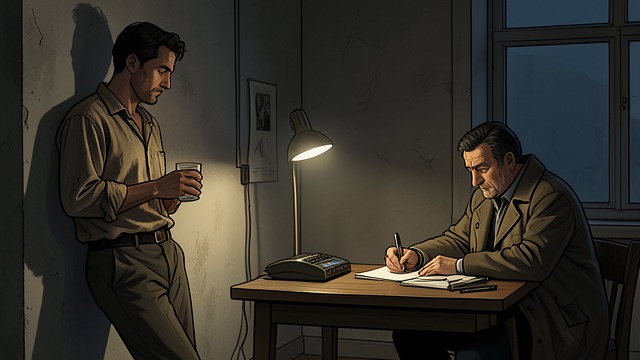
Life Against the Clock
Recurrent hemorrhages
Brissenden is a consumptive, with repeated hemorrhages and little prospect of recovery. He drinks, seeks intense sensations, and refuses to behave as though the approaching end has made life irrelevant.
A forceful presence
His failing body contrasts with his appetite for argument, pleasure, and art. Martin admires his refusal of conventional fear, though he cannot adopt Brissenden’s contempt for ordinary social life.
A Poem Entrusted
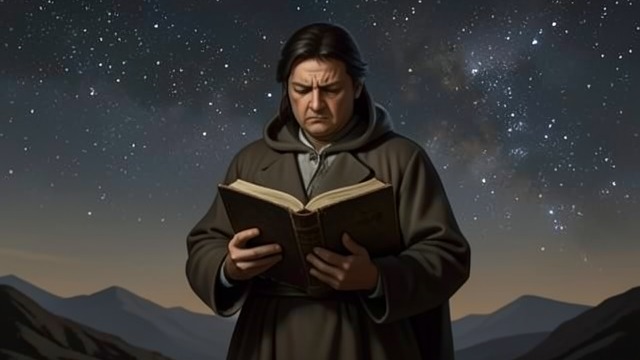
Art Without an Audience
A final work
Brissenden gives Martin Ephemera, a long poem that expresses the smallness of human life against cosmic immensities. Martin is overwhelmed by its artistic power.
Refusal to publish
Brissenden will not allow the poem to be handled by magazines or the public. He regards it as his own beauty, while Martin argues that art should be shared for the joy it can give.
The Poem’s Acceptance
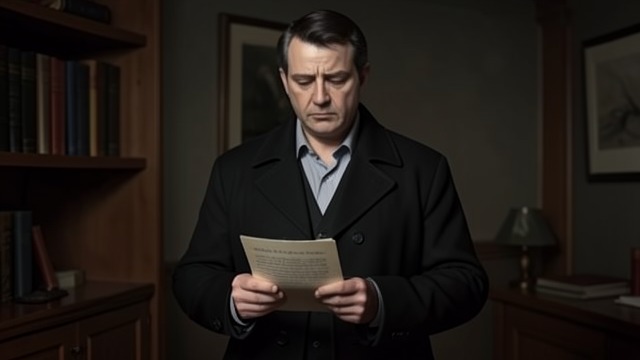
Victory Becomes Grief
Recognition arrives
The Parthenon accepts the poem and offers a substantial honorarium after a respected critic praises it. Martin has been right about the poem’s merit, but the victory cannot be shared in the way he intended.
News of death
When Martin visits Brissenden, he learns that his friend died by suicide five days earlier. He sends the publication authorization and returns to work in a numb, dissociated state.
The Public Makes a Spectacle
A Posthumous Betrayal
Fame as spectacle
The poem becomes a public controversy, attracting ridicule, imitation, sermons, and opportunistic commentary. The attention Brissenden dreaded turns his work into entertainment for people who scarcely understand it.
Martin’s regret
Martin destroys other poems Brissenden left behind, believing his friend would not have forgiven him for this exposure. The public response deepens Martin’s distrust of fame and the literary crowd.
After Martin meets Brissenden at the Grotto
During Brissenden’s declining health
After Brissenden writes Ephemera
After Martin submits Ephemera without Brissenden’s consent
After Ephemera appears in The Parthenon
